1 Cr Ex-Gratia: Will CBN Go Extra Mile?
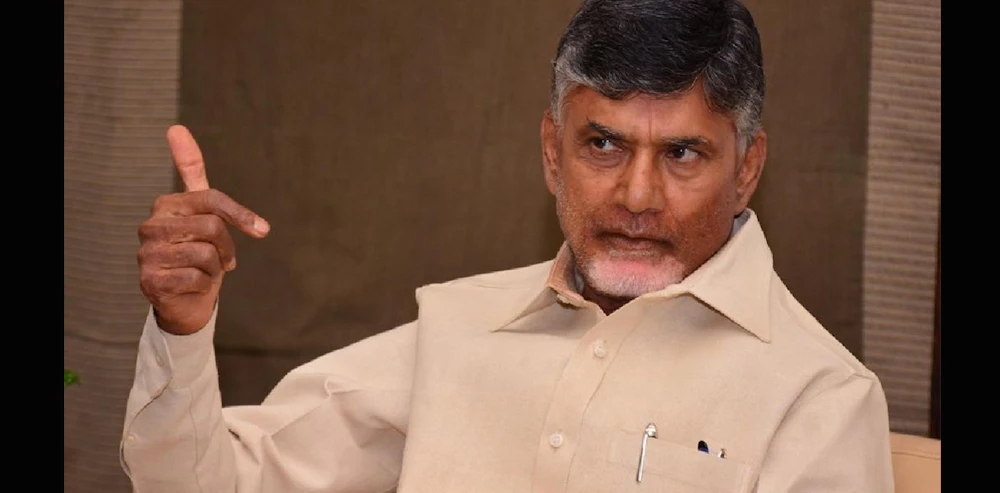
Politics often divides leaders, but tragedies sometimes offer an opportunity to rise above party lines. The devastating blast at Visakhapatnam Steel Plant, which has claimed nine lives and left several workers battling for survival, has now triggered a political challenge from YSRCP chief Y.S. Jagan Mohan Reddy to Chief Minister N. Chandrababu Naidu. Jagan has demanded that the government provide an additional Rs 1 crore ex-gratia to each victim's family, over and above the compensation package already announced, along with employment for a family member. The question now is whether Chandrababu Naidu will accept the demand and transform a political issue into a humanitarian gesture.
The state government has already announced compensation, employment support, educational assistance for children, housing benefits, and medical coverage for the injured. However, Jagan argues that a significant portion of the announced package consists of statutory benefits, insurance claims, and retirement dues that rightfully belong to the workers. His demand for an additional Rs 1 crore mirrors the compensation announced during the LG Polymers tragedy and seeks to establish a stronger precedent for industrial disaster victims.
For Chandrababu Naidu, the decision carries both political and moral significance. Accepting the demand would send a strong message that worker welfare transcends political differences. It would reassure thousands of employees working in hazardous industrial environments that the government stands firmly behind them during times of crisis. Such a move could also soften criticism that successive governments have failed to adequately address safety concerns within the steel plant.
At the same time, the government may argue that compensation cannot become a competitive political exercise and that financial assistance must follow established policies and legal frameworks. Officials may also point out that several benefits announced for the victims' families extend far beyond immediate cash compensation.
Yet beyond the politics lies a deeper issue. The families who lost their breadwinners are not concerned about which party gets the credit. Their immediate concern is financial security, education for their children, and a stable future. Whether the compensation is called ex-gratia, relief, or assistance matters little compared to the assurance that their lives will not collapse after the tragedy.
As public sympathy continues to pour in for the victims, Chandrababu Naidu faces a choice. He can reject the opposition's demand and defend the existing package, or he can embrace the proposal and position himself as a leader willing to rise above politics when human lives are at stake. In moments like these, governments are often remembered not for the announcements they make, but for the compassion they show.












Comments (…)
Leave a Comment