Andhra’s Old Script in a New Wrapper!
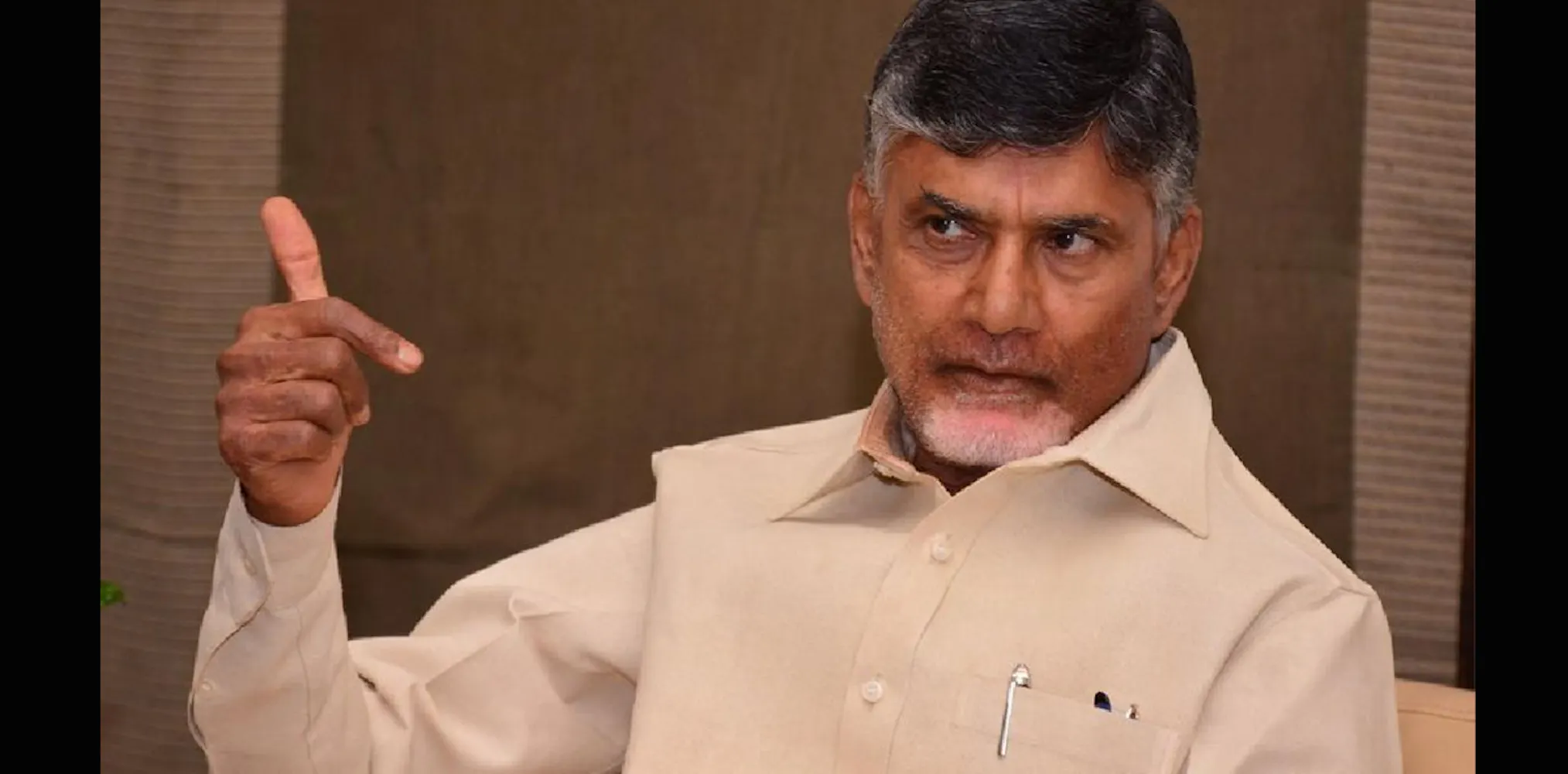
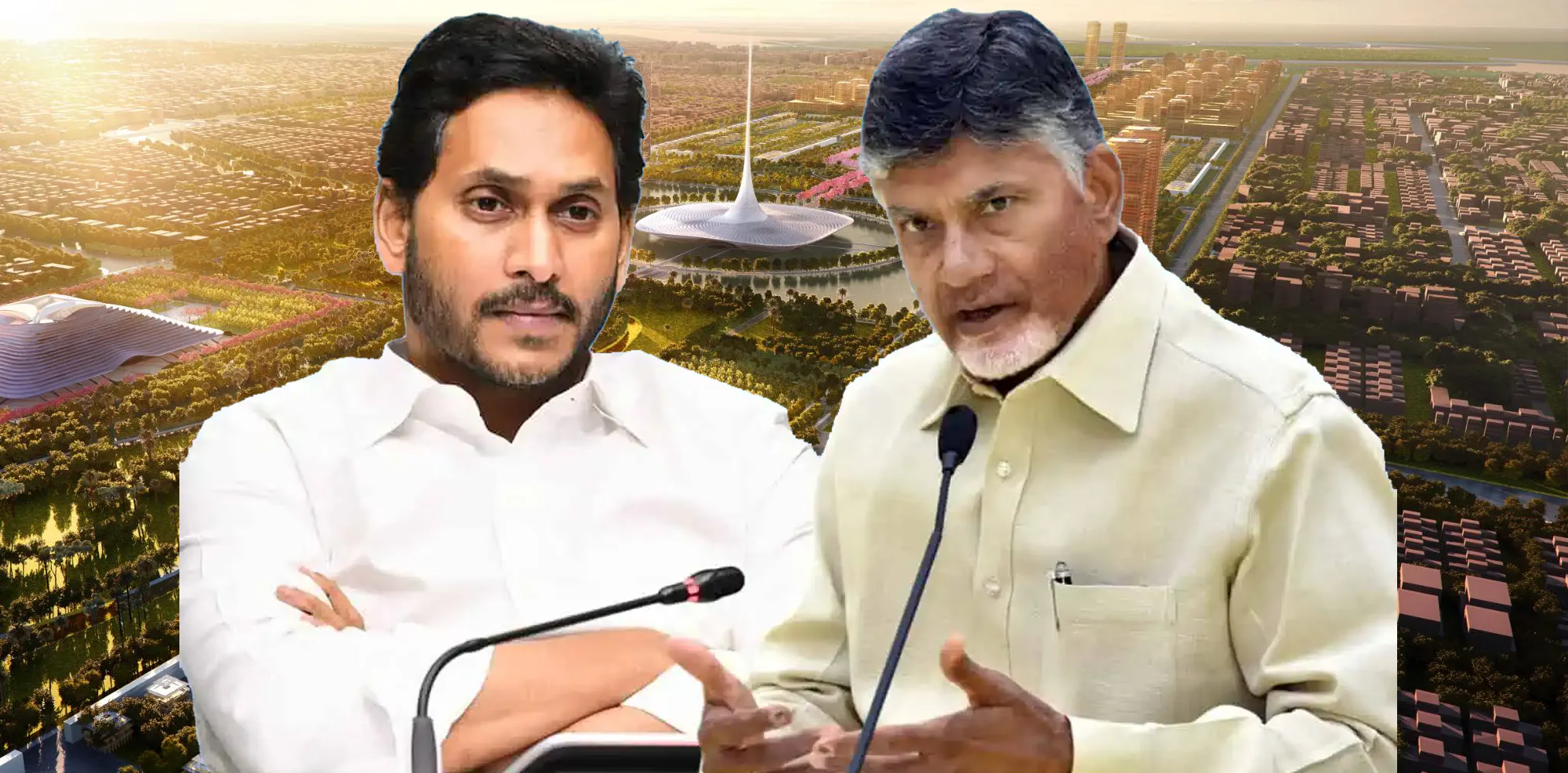
As N. Chandrababu Naidu closes 2025 projecting Amaravati’s revival, trillion-dollar dreams, and a flood of investment MoUs, Andhra Pradesh finds itself at a familiar crossroads. The narrative sounds ambitious, futuristic, and reassuring — but for voters who have watched multiple governments come and go, it also feels strikingly familiar. Grand promises, glossy announcements, and long timelines have historically defined Andhra’s politics far more than completed outcomes.
Naidu’s political legacy is built on vision-heavy governance. From IT corridors to capital cities, he has always sold tomorrow better than today. Amaravati itself is the clearest example. Launched with fanfare nearly a decade ago, stalled under successive governments, and now relaunched again, the capital has become less a city and more a symbol of Andhra’s stop-start politics. Each election cycle brings a reset — new blame on previous regimes, fresh deadlines, and revised master plans — while farmers and land donors wait endlessly for certainty.
The investment story too deserves cautious reading. MoUs worth lakhs of crores, data centres promising lakhs of jobs, and corridors projected as trillion-dollar economies make for powerful headlines. Andhra has heard similar claims before — from refinery dreams to mega ports and industrial corridors — many of which either stalled or delivered far below projections. The gap between “announced” and “operational” remains the state’s biggest credibility challenge. Until factories employ, cities expand, and local youth get jobs, MoUs remain political currency rather than economic transformation.
Vote-bank politics continues to shape governance choices. Welfare schemes — pensions, free travel, LPG cylinders, cash transfers — cut across party lines in Andhra. Every government expands them, not necessarily out of ideological conviction, but electoral compulsion. Development and welfare are rarely balanced; instead, both are promised aggressively, often stretching state finances while pushing real structural reforms into the future.
Chandrababu Naidu’s pattern is also well documented: campaign big, govern with speed initially, and attribute delays to inherited damage. While blame on previous governments may be partially justified, it has also become a political habit — one that risks losing relevance if outcomes don’t follow. Andhra voters are no longer just aspirational; they are impatient. They have seen capital plans, corridor maps, and global partnerships before.
The road to a trillion-dollar economy is not impossible — but it demands policy continuity, institutional stability, and political humility across regimes. Without breaking the cycle of election-to-election reinvention, Andhra risks remaining a state of grand beginnings and postponed endings. In 2025, the vision is loud once again. Whether delivery finally matches rhetoric will decide not just Naidu’s legacy — but Andhra Pradesh’s future.