AP: Gap between ambitious vision & practical reality

“When a government borrows excessively and leaves the bill for the future, it's a huge fraud against those yet to be born”
Recall the Roman policy of "Bread and Circuses", where Roman emperors provided the masses with free grain and lavish entertainment to keep them content and compliant and to divert their attention from systemic failures, such as widening economic inequality, political corruption, etc.
This strategy allowed autocratic rulers to substitute visible, immediate gratification for meaningful political participation, turning citizens into passive spectators rather than stakeholders in the state's future.
This dynamic appears to find a modern parallel in Andhra Pradesh.
Under Nara Chandrababu Naidu’s "Quality Liquor at Cheap Price" policy, the public consumed ₹500 crore worth of alcohol in the final three days of 2025, an indulgence that effectively masked the state’s underlying fiscal instability.
This surge in consumption unfolded even as state borrowings escalated to fund the Amaravati capital project, creating a paradox where record public spending on leisure obscured a precarious economic reality and left the citizenry in a state of "conscious unawareness" regarding the state's financial future.
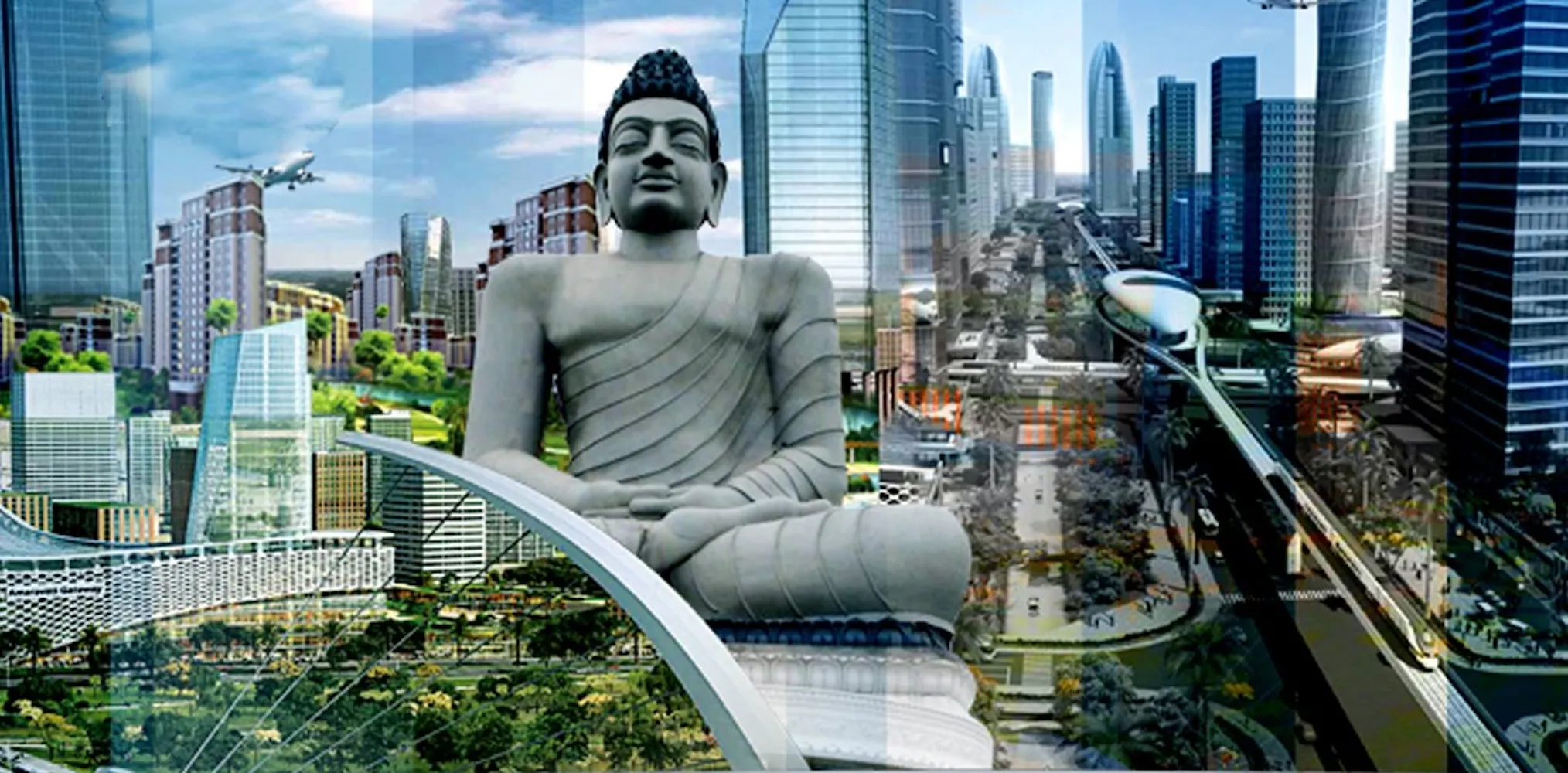
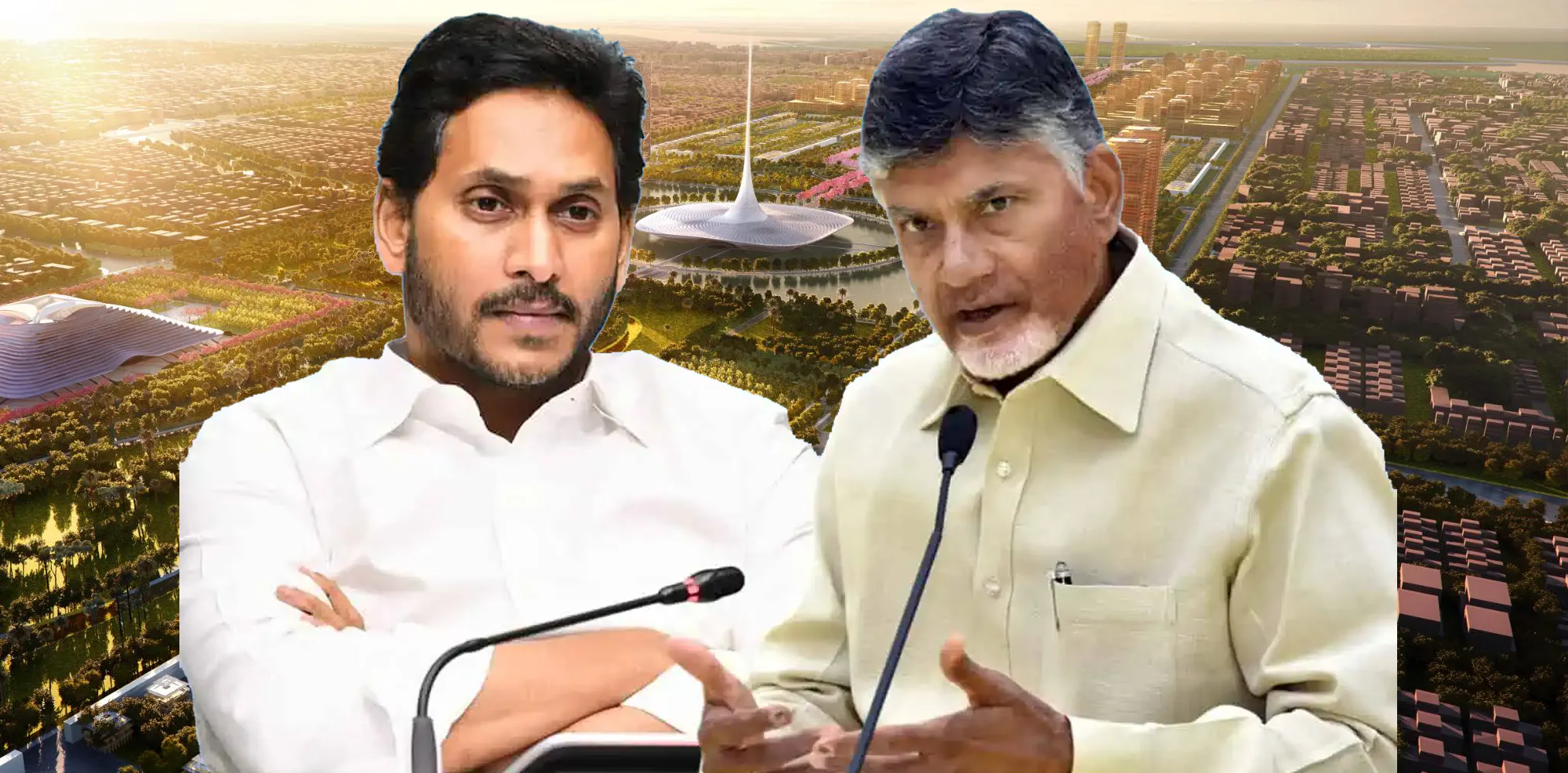
When CBN outlined an economic vision of progress, promising a world-class capital, "Sampada Sristi" (Generation of Wealth), and a transition to a trillion-dollar economy, it presented a clear path forward.
However, the extensive borrowing associated with these ambitions, and the potential for trapping the state in significant debt, warrants serious critical scrutiny, which his subjects, trapped in the spell of quality liquor, seemed to have been unmindful of.
The public’s silence and "conscious unawareness" concerning the state's financial stability illustrate how hyperbolic political rhetoric can serve as a tool for deliberate mystification, obscuring the realities of societal and economic decline.
CBN’s rhetoric surrounding his world-class capital and "Sampada Sristi" (wealth creation) vision is not an isolated phenomenon in Indian politics, his approach is often characterized by a "CEO-style" administrative confidence that seeks to "hypnotize" through the sheer scale and ambition of his projects.
In this sense, CBN stands alone. He mastered the art of converting the idea of his vision policies into a collective fantasy and a mass indoctrinating project.
His boastfulness operates as a substitute for capability, while his slogans like “Sampada Sristi” substitute the work of achievement to keep his subjects to continue to be on fantasy ride.
The critiques of his style of functioning suggest that his panache for grand public vision can sometimes overshadow practical implementation.
Critics argue that focusing on a "world-class" future can be a way to maintain public enthusiasm while masking underlying fiscal challenges and the complexities of governance.
This persistent cycle of ambitious vision-building is viewed as a strategy to keep the electorate engaged with future possibilities, potentially distracting from current economic realities or the risks of mounting state debt.
The significant state borrowing, high expenditure on flood management systems in the Capital area, and the controversial decision to build the capital city on fertile, flood-prone land have been cited as evidence that runs counter to the "Sampada Sristi" (wealth creation) rhetoric.
The latest spending (estimated at over ₹2,063 crore) on flood management systems in the Capital area exposes this folly of the grand vision of developing world class capital, despite the warnings of environmentalists, on the Krishna river's floodplain, a region vital for agriculture and susceptible to frequent flooding.
Critics argue that the need for such expensive, artificial water management systems is a direct consequence of the flawed siting decision, exposing a gap between the ambitious vision and practical reality.
This is a classic “Take the people for a perpetual fantasy ride” dynamic, an overindulging rhetoric in a state where people are provided with affordable liquor as a means to induce a public "stupor" or complacency, diverting their attention from critical governance issues.
Their leader's "visionary" rhetoric and grand promises about transforming the state are portrayed as a perpetual "fantasy ride," intended to mask the potentially detrimental impacts of extensive loan borrowing.
The core argument is that the administration's performance in managing state finances is being shielded from public scrutiny by an overwhelming, feel-good narrative of “quality liquor” that prevents people from realizing the gap between the promised world-class state and the actual economic trajectory.
Well, one might argue that a state where citizens spend ₹500 crore on liquor in a mere three days can hardly be characterized as being in poverty and should instead be viewed as a state effectively realizing the objective of "Sampada Sristi."...An intoxicating irony.