CEO to CBR: An Award For A Vision Without Foresight?
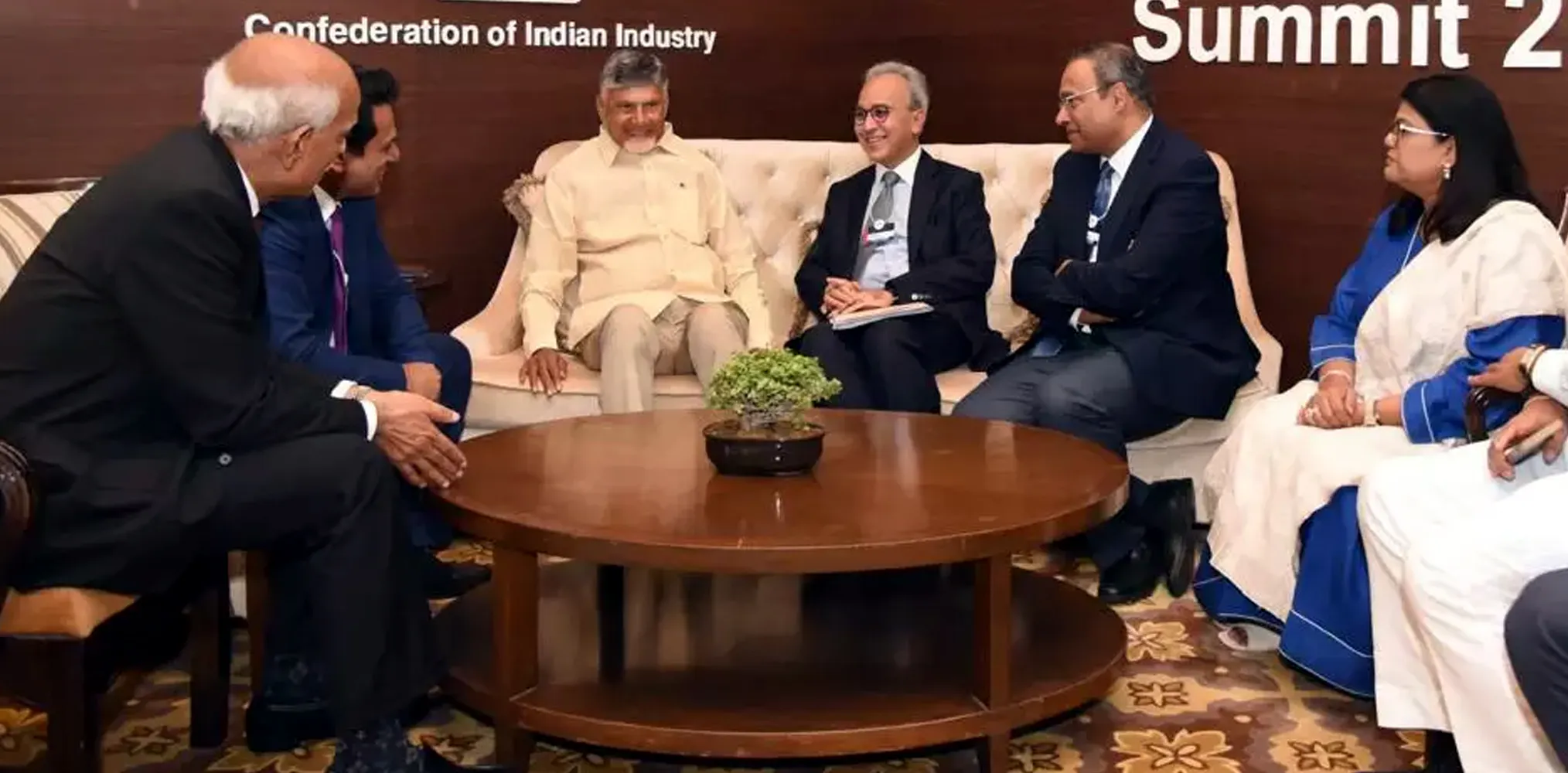
“A vision without foresight is like a beautifully designed car with no engine. It looks impressive where it sits, but it will never actually take you where you need to go”
A "vision without foresight" describes a grandiose plan that prioritizes immediate, superficial achievements while failing to calculate the long-term consequences, risks, or resources required for sustainability.
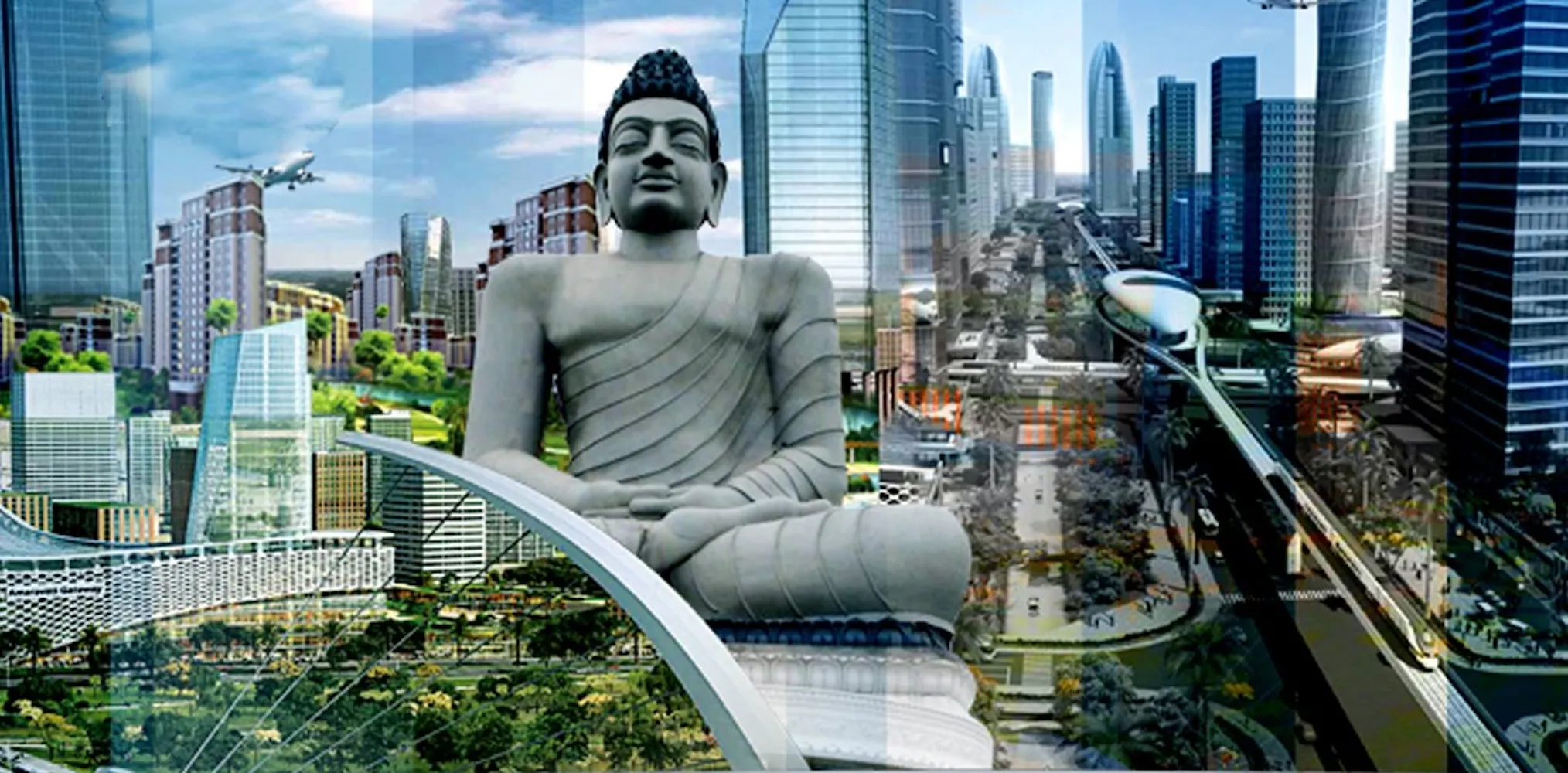
History offers a stark warning of this through Grigory Potemkin, the 18th-century Russian leader who allegedly erected hollow, decorative village facades along the Dnieper River. (Like AP’s Amaravati on the banks of River Krishna).
His goal was to deceive Empress Catherine the Great into believing the newly annexed Crimean territories were thriving under his governance.
While Potemkin secured a temporary legacy of greatness, his name eventually became a historical mockery, a synonym for hollow facades and deceptive governance.
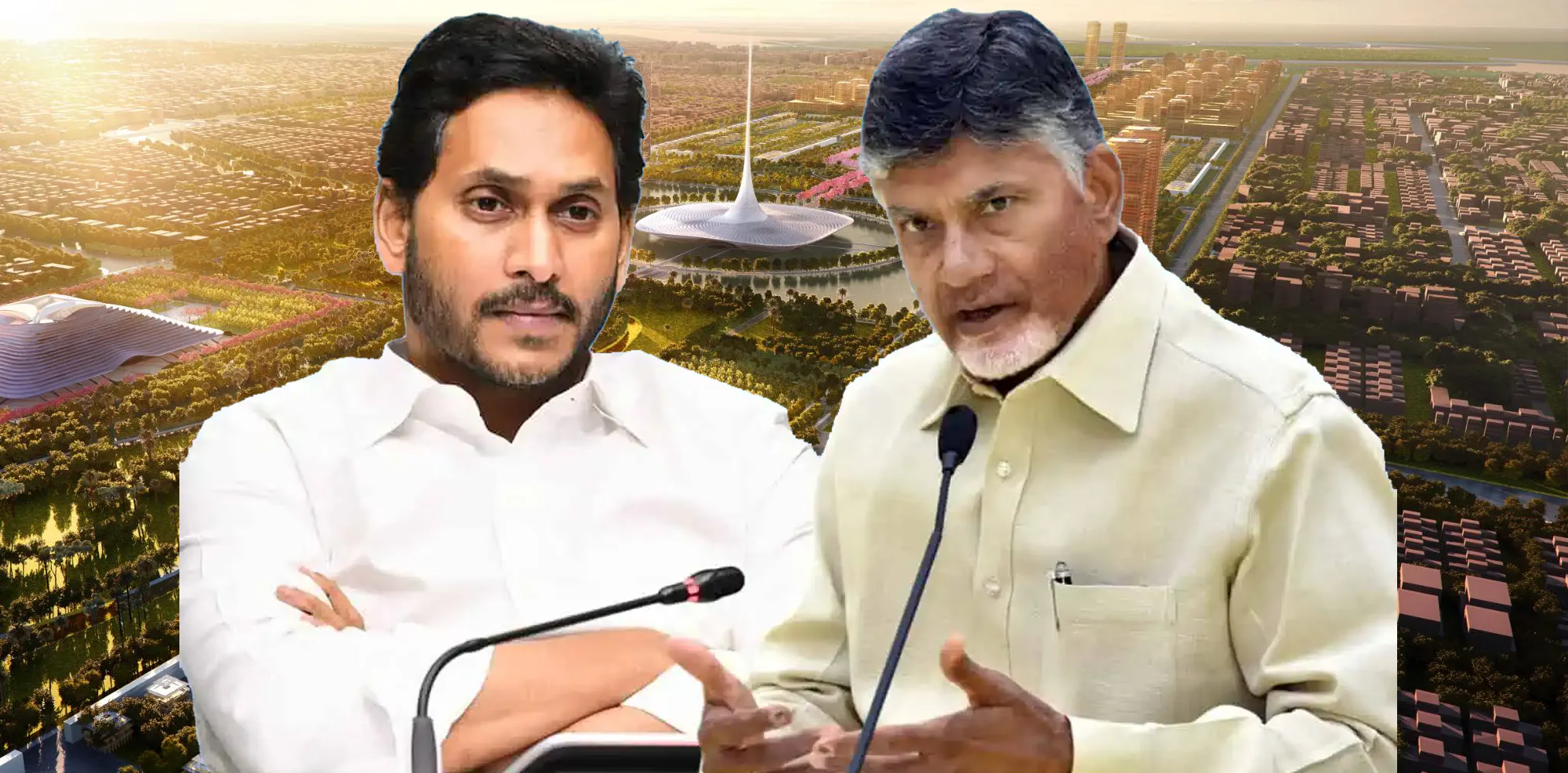
This historical parallel finds a contemporary echo in the governance of N. Chandrababu Naidu (CBN), the Chief Minister of Andhra Pradesh. Recently, he was honoured as the "Business Reformer of the Year" for 2025 at The Economic Times Awards for Corporate Excellence. The recognition was primarily driven by his success in securing over ₹10.7 lakh crore in investment commitments for the state.
However, critics argue that this acclaim represents a "Potemkin facade" that masks deeper policy conflicts and a troubling shift in economic priorities.
Like Potemkin’s facades, the acclaim for attracting investment overlooks the social cost of the state’s shifting economic priorities.
“The 'Potemkin” parallel furthers doubts about CBN’s acclaimed business/economic reforms, arguing that his skill in winning over big business and Business reformer awards, of is a performance that masks deeper policy conflicts.
A central contradiction in the state’s governance is the transition from its traditional identity as a self-sustaining agricultural "Rice Hub" to a revenue-dependent "Liquor Hub" economy.
Critics suggest his 2024–2025 excise policy prioritizes volatile "liquor-led growth" over the long-term welfare of a population once rooted in sustainable agriculture.
His flagship P4 (People-Public-Private-Partnership) model advocates for the extensive privatization of governance, ranging from urban infrastructure to medical education. While framed as a tool for poverty elimination, detractors view it as a blueprint for handing state functions over to corporate management, serving the interests of the elite rather than the electorate.
Critics suggest this move, coupled with his personal financial ascent from a modest landowner of a 2-acre land to a wealthy politician, exposes a hollow facade. Allegations often highlight his growth to one of India’s wealthiest politicians, with assets reportedly nearing ₹931 crore, raising doubts about whose wealth his vision is truly generating.
Thus, his “Sampada Sristi' rhetoric is fundamentally undermined, as the sustainable welfare of the subjects appears to be outweighed by priorities that generate immense personal/private, rather than public, wealth.
The shift toward handing every aspect of governance to private entities under the PPPP model suggests a vision aimed at serving the elite, rather than the electorate.
While the goal of a trillion-dollar GDP is aspirational, it remains a hollow objective if it cannot explain how such wealth will reach the state's most vulnerable citizens.
This omission exposes a fundamental misunderstanding of governance: a vision that produces growth without equity is not a plan for development, but a blueprint for a modern-day 'Potemkin' economy.
With the 2025 'Business Reformer' accolade in hand, CBN’s posture resembles a performer serenading an audience with the Bollywood song “kitne sapne kitne arma laya hu mai, dekho na, dekho na/hey mera dil bhi ek mehfil hai tum bhi kabhi aao na baitho na” (How many dreams, how many desires have I brought with me/Just look, oh please, just see/My heart is its own gathering, a vibrant masquerade/Won't you step inside? Won't you sit and stay?)
This lyrical appeal captures the essence of his 'vision'—a grand invitation to global investors to join his private assembly. Yet, much like Potemkin’s facades, this song celebrates a 'vibrant masquerade' of growth that leaves one wondering if there is any room at the table or in his “Mehfil” for the farmers and labourers who once made the state a “Rice Hub”.