Diplomatic praise at a premium
"The image is not a substitute for reality, but a surrogate for it... We suffer from a new possibility of deception, which is the deception of manufactured experiences." — Daniel J. Boorstin, The Image: A Guide to Pseudo-events in America
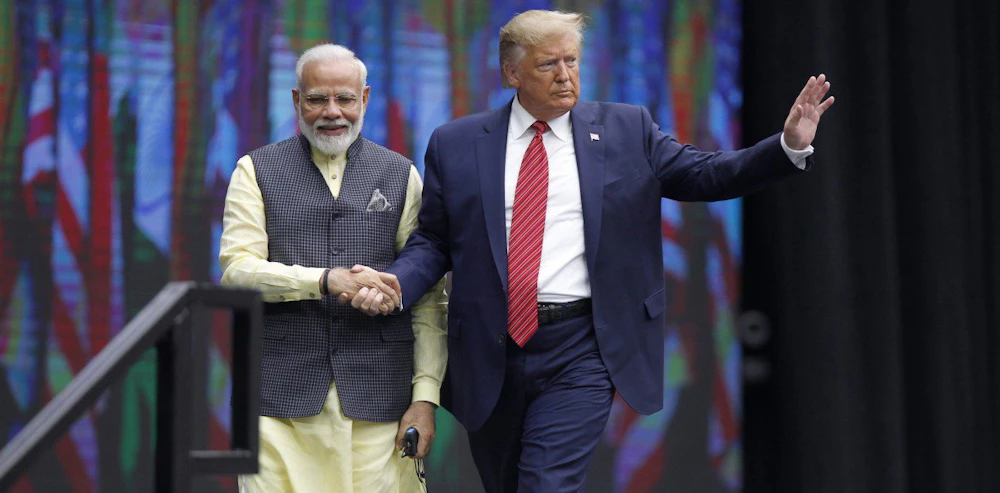
Decades ago, Daniel Boorstin warned us about fake, staged events masquerading as real life. Today, U.S. legal filings under the Foreign Agents Registration Act (FARA) prove he was dead right. Modern foreign policy isn't a "bond between great friends", but a “carefully scripted show with a price tag”.
These documents pull back the curtain on how modern foreign policy actually works. For months, Indian voters have been sold a grand story: Washington respects India because of strong leadership and natural global dominance. However, the billing records of Washington lobbying firm Mercury Public Affairs tell a much simpler story. In modern politics, global respect works just like a monthly Netflix subscription.
According to these official records, U.S. President Donald Trump’s June post on Truth Social, congratulating Prime Minister Narendra Modi on becoming India’s longest-serving PM, was not a spontaneous burst of admiration, but a scheduled PR delivery, bought and paid for through a $75,000-a-month retainer. This puts an awkward price tag on the popular Vishwaguru (Global Teacher) brand. Apparently, becoming a global icon has less to do with foreign policy wins and more to do with making sure the wire transfer clears before the tweet goes live.
To be fair, as the Ministry of External Affairs pointed out, hiring U.S. lobbyists is an old practice going back to 1948. Past governments also opened the state checkbook during crunch time. In the mid-2000s, the UPA government hired top firms like BGR Government Affairs and Patton Boggs to push the historic U.S.-India civil nuclear deal through Congress.
The difference today, as critics point out, is what the receipt actually buys. In the past, lobbying budgets paid for complex treaties, defense deals, and trade breakthroughs. Today, taxpayer money is funding glorified social media management. Instead of quietly building lasting alliances, public funds are buying digital applause for domestic TV debates.
This expensive PR show becomes pure comedy when stacked against actual economic pain. The lobbyists easily delivered a flattering social media post, yet somehow forgot to negotiate a discount on a trade war. Over the past year, the Trump administration slammed Indian exporters with punishing penalties. Even after a noisy "interim framework" trimmed 50% tariffs down to 18%, a final trade deal remained on ice. Turns out, warm tweets don't cover customs duties.
The roster of lobbyists hired for this job makes the game obvious. India didn't hire policy experts; it hired people with direct access to the Oval Office. The team included Bryan Lanza, communications director for the Trump transition team, and Susie Wiles, Trump’s outgoing chief of staff, who lobbied for the firm until late 2024. Staying in the White House's good graces is clearly less about smart diplomacy and more about renting the contact list of people who have the President on speed dial.
These filings are a cold shower for anyone still buying the grand speeches on foreign policy. Voters at home are told that superpowers look to New Delhi for guidance. Meanwhile, U.S. legal records show a simple cash-and-carry arrangement: fewer diplomatic summits, more invoices.
In the end, the money did its exact job. The post went live, friendly news anchors celebrated a "historic diplomatic triumph," and the illusion of global dominance survived another news cycle.
It brings to mind Amitabh Bachchan’s iconic line from Don ("Don ko pakadna mushkil hi nahi, namumkin hai"), updated for the PR era: "Catching the illusion of global power is not just difficult, it is impossible, because the script is being outsourced."
Behind the loud speeches about leading the world order, the legal paperwork reveals the engine room is just an accounting department. The moral of this entire saga is simple: nothing is free, not even diplomatic praise. True geopolitical clout is no longer earned on the world stage, it is drafted by PR consultants, cleared by compliance lawyers, and billed on the first of every month.













Comments (…)
Leave a Comment