'Fauzi' Faces Historical Distortion Charge
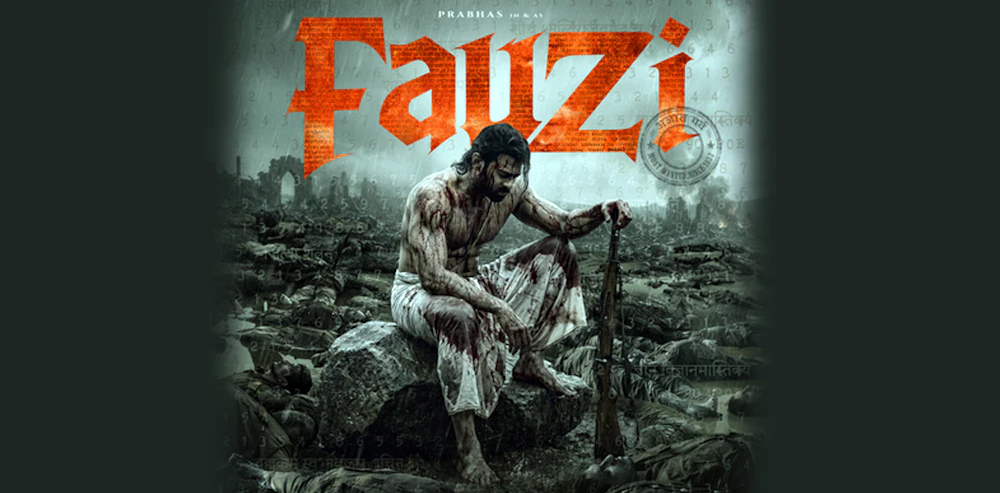
Prabhas’ upcoming film Fauzi has reportedly landed in controversy over allegations that certain aspects of the story misrepresent historical events associated with freedom fighter Netaji Subhas Chandra Bose. The development has sparked a debate over the responsibility of filmmakers when portraying figures who played significant roles in India’s struggle for independence. While historical themes have frequently inspired Indian cinema, the latest objections surrounding Fauzi have brought renewed attention to the importance of distinguishing creative storytelling from documented historical facts. The controversy could put the film’s historical narrative under closer public scrutiny as anticipation builds around the project.
Chandrakumar Bose, a member of Netaji Subhas Chandra Bose’s family and his grandson, has reportedly expressed strong reservations about the alleged portrayal of historical events in the film. He is said to have objected to the way certain aspects of the freedom struggle have been represented, arguing that filmmakers must exercise caution when drawing from the lives and legacies of national leaders. According to reports, he has called on the director to apologise to the people of India over the alleged distortion of history. His objections have added a new dimension to the discussion surrounding the film, moving the focus beyond its cast and production to the historical accuracy of its subject matter.
The issue raises a broader question about the creative freedom of filmmakers when working with historical personalities and politically significant events. Cinema often uses dramatic interpretation, fictional characters and imagined situations to build an engaging narrative. However, when a story draws on real people whose contributions hold national significance, audiences and members of their families may expect a clear distinction between historical fact and cinematic invention. Critics of alleged historical misrepresentation argue that popular films can shape public understanding of the past, particularly among younger viewers. At the same time, the precise nature of the disputed scenes and the filmmakers’ explanation would be important in assessing the claims fairly.
For Prabhas, Fauzi is another highly anticipated project, and the reported controversy has introduced an unexpected challenge ahead of its release. The film’s makers have yet to be established in the information provided here as having issued a response to the allegations, so the claims should be treated as reported objections rather than a confirmed finding of historical distortion. The coming days may bring greater clarity about the disputed portrayal and whether the production team addresses the concerns raised by Netaji’s family. Until further details emerge, the debate surrounding Fauzi is likely to remain focused on a central question: how can filmmakers balance cinematic imagination with the responsibility of portraying India’s history with care and accuracy?











Comments (…)
Leave a Comment