Revanth Unveils Bold Plans for Musi River Revitalization
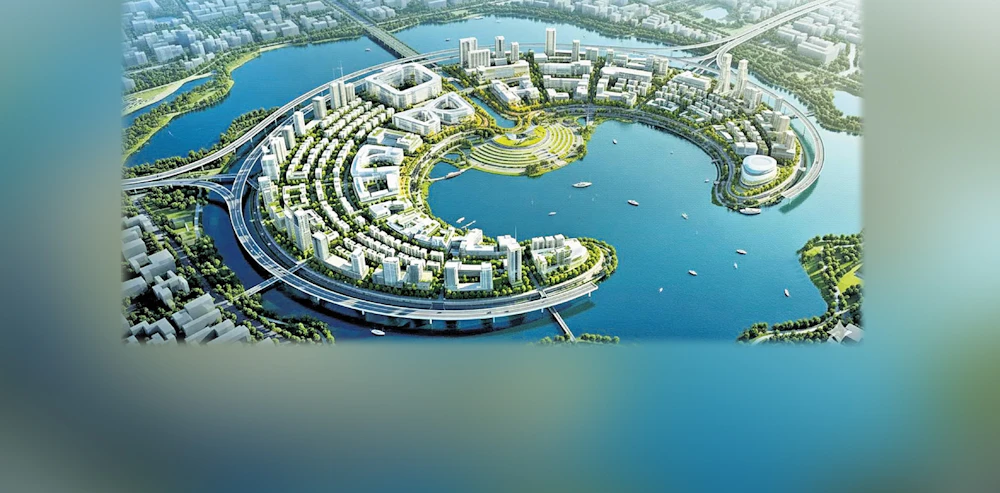
In a decisive move aimed at revitalizing Hyderabad's urban landscape, Chief Minister A. Revanth Reddy has mandated officials to develop a comprehensive land-pooling policy for areas impacted by the ambitious Musi rejuvenation project. This initiative, which specifically targets lands within Full Tank Level (FTL) limits and designated buffer zones, seeks to streamline the acquisition process while minimizing legal hurdles. During a critical review meeting at the Bodhi Pavilion camp office, Revanth emphasized the urgency of inviting tenders for the project's second phase, reinforcing a commitment that underscores the government’s proactive approach in addressing urban infrastructure needs.
The Musi rejuvenation initiative, with an estimated Phase-I budget of ₹7,345 crore, encompasses a 21-kilometer stretch of the river. The project involves two major segments converging at the planned Gandhi Sarovar near Bapu Ghat, with Stretch-A extending 9.2 kilometers from Himayatsagar and Stretch-B spanning 11.8 kilometers from Osmansagar (Gandipet). This strategic development not only aims to enhance the river's ecological health but also focuses on establishing modern riverfront infrastructures, thereby transforming the urban environment while effectively managing flood risks.
Historically, the Musi River has faced significant pollution and encroachment challenges that have impeded its natural flow and utility. The government's latest plans, as detailed in the project report, are set against a backdrop of previous initiatives aimed at restoring the river's vitality. In addition to achieving continuous freshwater flow, the project is designed to incorporate advanced flood mitigation strategies and rehabilitative housing support for affected communities, marking a significant pivot in urban planning that prioritizes both environmental and social considerations.
In a broader context, CM Revanth's directives also extend to securing low-interest loans for project execution, alongside weekly reviews of Transferable Development Rights (TDR) mechanisms, aimed at optimizing resource allocation and project efficiency. In parallel, officials discussed enhancements to the area surrounding the Manchirevula Omkareshwara Swamy Temple and efforts to develop the Kothwalguda Bird Park, showcasing a multifaceted approach to urban renewal that intertwines cultural heritage with natural conservation.













Comments (…)
Leave a Comment