Ramayana, one of the most celebrated epics in Indian mythology, has inspired countless films and television adaptations over the decades. The story of Lord Rama, Sita and Ravana is deeply familiar to audiences across generations, making it particularly challenging for filmmakers to present it in a fresh and compelling manner. Even recently, Prabhas-starrer Adipurush attempted to bring the legendary epic to the big screen but failed to meet audience expectations.
Against this backdrop, the makers of Ramayana have consistently maintained that their ambitious project would offer something extraordinary. Directed by Nitesh Tiwari, the film arrives with enormous expectations, an impressive star cast and a massive visual canvas. But does it truly live up to the hype? More importantly, does it succeed in transforming a familiar mythological story into an unforgettable cinematic experience? Let's find out.
Story
There is no attempt to reinvent the central storyline of the Ramayana. Instead, the film relies on the timeless conflict between good and evil while presenting certain portions through a different narrative structure. Interestingly, the first part begins with Ravana's world rather than immediately placing Lord Rama at the centre. The story introduces Lanka, which is captured by Indra (Kunal Kapoor) and his divine forces following a fierce battle against the demons.
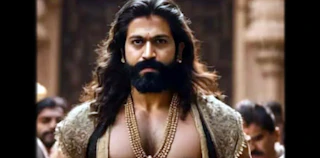
Determined to reclaim his kingdom and restore Lanka as the stronghold of the Rakshasas, Ravana (Yash) undertakes severe penance to obtain extraordinary powers from Lord Brahma. His wishes are eventually granted, but the blessings only strengthen his ambition to establish dominance over the three worlds. As Ravana's destructive ambitions threaten the balance of the universe, the gods approach Lord Vishnu for protection. Vishnu promises to take human birth as Rama in Ayodhya and put an end to Ravana's reign of terror.
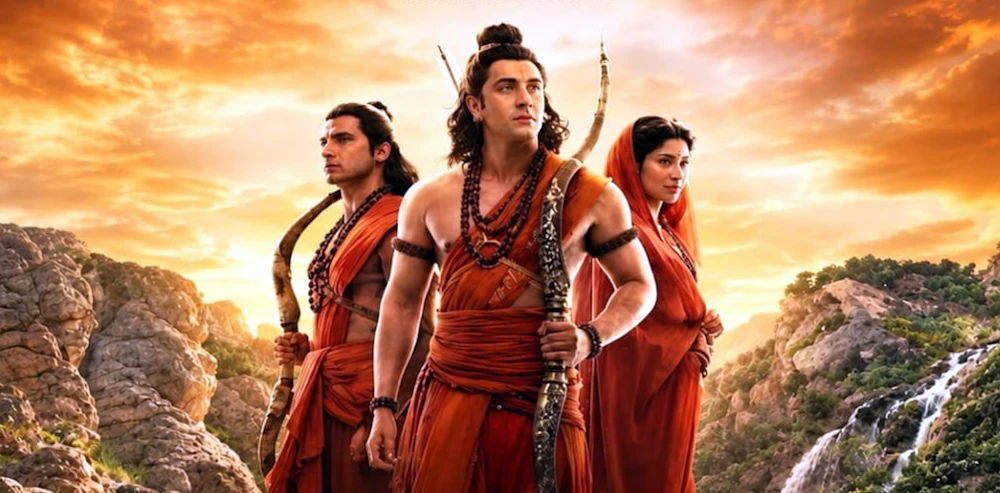
The narrative subsequently shifts to Ayodhya, introducing the birth of Rama (Ranbir Kapoor), his relationship with Sita (Sai Pallavi), their marriage and the circumstances that eventually lead to their exile. The first instalment covers several important developments, including the forest journey and Sita's abduction by Ravana. While the basic storyline remains familiar to anyone acquainted with the epic, the filmmakers attempt to create a distinctive cinematic experience through their presentation and visual treatment.
There are no major surprises in the plot, but the decision to give Ravana a prominent narrative presence adds a different dimension to the storytelling. The screenplay offers a new perspective on certain familiar events, although the overall progression occasionally feels predictable.
Performances
Playing Lord Rama is never an ordinary acting assignment. Across Indian cinema, audiences have developed a deeply rooted visual image of the mythological character through several memorable portrayals. Any actor stepping into the role must not only deliver a convincing performance but also match the expectations and emotional connection audiences already associate with Rama. Ranbir Kapoor manages to meet much of that challenge. His portrayal captures the calmness, dignity and composed nature expected of the character. Rather than depending entirely on dramatic expressions, he brings a certain gentleness to the role, making his performance one of the film's notable strengths.
Sai Pallavi, meanwhile, was widely considered a fitting choice for Sita because of her acting abilities and screen presence. She delivers a sincere performance and handles the emotional requirements of the character with conviction. However, when it comes to the overall visual representation of Sita, there is a feeling that the character could have been presented with a little more impact. Both actors perform their respective roles effectively, but Ranbir appears to have an edge in terms of how successfully he fits into the character's visual and emotional expectations.
The biggest attraction, however, is undoubtedly Yash as Ravana. Portraying one of Indian mythology's most powerful and complex antagonists requires considerable screen presence, intensity and confidence. Yash brings all three qualities to the table. His commanding appearance and powerful performance make Ravana one of the film's most memorable elements. Since the first instalment gives considerable importance to Ravana's backstory and ambitions, Yash gets substantial scope to showcase his abilities. The supporting cast also deserves appreciation. Several familiar actors appear throughout the film, but their performances ensure that the characters remain more prominent than the stars portraying them. The ensemble contributes significantly to the film's overall impact.
Technical
The technical department is where Ramayana makes its strongest statement. The film brings together the musical talents of AR Rahman and Hans Zimmer, creating a powerful soundscape that complements its grand visual presentation. The background score is particularly effective and adds emotional weight to several important sequences. While the songs do not leave a particularly lasting impression, their placement does not significantly interrupt the narrative. The cinematography is impressive, capturing the scale and atmosphere of the mythical world with considerable visual richness.
Director Nitesh Tiwari deserves credit for translating such an enormous subject into a cinematic spectacle. The production design, costumes and overall presentation reflect the scale of the makers' ambition. Editing, however, could have been sharper. Certain stretches feel unnecessarily prolonged, and a slightly faster narrative pace would have improved the viewing experience. The runtime could also have been trimmed by at least five to ten minutes without affecting the story.
But the real showstopper is the visual effects department. With leading VFX industry professionals associated with the production, expectations were naturally high, and the film delivers some extraordinary visual sequences. The scale, detailing and execution of the computer-generated imagery give the mythical universe an impressive sense of realism. From the grandeur of Lanka to the larger-than-life mythological sequences, the visual effects consistently stand out. The production values are international in quality, and several moments carry the visual richness generally associated with major Hollywood fantasy productions. The VFX work is easily the film's biggest technical achievement.
Analysis
When audiences walk into a film based on the Ramayana, they are not necessarily expecting an unfamiliar story. The central characters, major incidents and eventual outcome are already known. What matters most is how convincingly the filmmaker brings those characters to life. The casting of Rama, Sita and Ravana becomes particularly important because audiences carry strong expectations about their appearance, personalities and emotional depth. History has repeatedly demonstrated that a familiar mythological story can still deliver a memorable cinematic experience when presented with the right actors and filmmaking vision.
The disappointment surrounding Adipurush remains a reminder of how easily an ambitious mythological project can go wrong when its visual treatment and creative decisions fail to connect with audiences. Nitesh Tiwari appears to have approached this challenge with greater care. From the casting choices to the character presentations and emotional sequences, the film maintains a reasonably consistent approach. The performances, production design and technical execution collectively contribute to its grand scale. Although the screenplay does not offer many surprises, the director understands that the strength of this story lies in its emotional familiarity and visual interpretation.
The most significant achievement is undoubtedly the VFX. Indian cinema has witnessed major technological milestones, particularly after SS Rajamouli's Baahubali established a new benchmark for large-scale visual storytelling. Ever since, filmmakers have been attempting to push those boundaries further. Ramayana makes an ambitious attempt in that direction, delivering graphics and visual sequences that stand shoulder to shoulder with international fantasy productions. Several portions have the potential to become talking points among cinema enthusiasts, particularly those who appreciate large-scale visual filmmaking. The quality of the VFX work even invites comparisons with the technical standards of major global productions. Ultimately, the film's visual ambition and execution make it a significant cinematic experience, even if the storytelling could have been tighter.
Plus Points
- Outstanding visual effects and graphics.
- Ranbir Kapoor's portrayal of Lord Rama.
- Yash's commanding performance as Ravana.
- Impressive background score by AR Rahman and Hans Zimmer.
- Grand production values and cinematography.
Minus Points
- Slow narrative progression in certain portions.
- Predictable developments due to the familiar storyline.
- Editing could have been sharper.
- Songs lack a lasting impact.
- Verdict: A Visual Wonder That Deserves the Big-Screen Experience!