When The Aura Cracks, The Allies Pivot
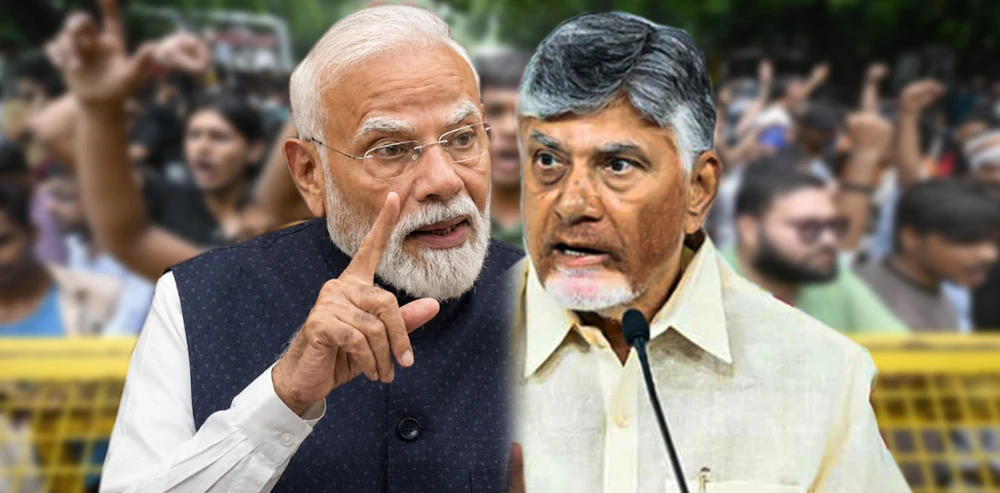
“In politics, never underestimate both your enemy and your ally. Confidence is essential in politics, but arrogance is dangerous because it tempts leaders into believing they already know what will happen, or how a political maneuvering will end, as a tactical success does not automatically become strategic victory, and destroying opposition is not the same as destroying its will or capacity to continue fighting”
In other words, in modern politics, taking your own public relations too seriously is a fatal mistake. Believing that a short-term tactical victory guarantees long-term dominance leads to dangerous overconfidence. A ruling party can easily fracture opposition factions through political engineering, but destroying the public's actual will to resist is far more difficult. When leadership becomes arrogant, it assumes it controls the political narrative, only for citizens and coalition allies to pivot and rewrite the final outcome.
This political reality played out clearly during the recent student march to Parliament in New Delhi.
For years, the ruling party relied on the slogan "Modi hai toh mumkin hai" to market the Prime Minister as a leader who could deliver the impossible. This hyper-polished branding elevated him above normal politics, presenting him as a uniquely capable, almost non-biological figure immune to typical political risks.
However, the mass student protests disrupted this carefully crafted image. The highly visible public pushback shattered his and his administration's aura of absolute control, serving as a direct reality check for him and his cabinet that assumed it was insulated from public pressure. Both he and his administration quickly realized that while they can use state leverage to neutralize rival parties, they cannot easily suppress an entire dissatisfied youth demographic.
The friction on the streets shows that the administration is losing ground with the very youth cohort that previously fueled its political momentum. More importantly, this shift has made key regional coalition allies highly anxious about their own electoral survival. If voter anger translates directly into polling data, these regional allies risk losing their seats alongside the ruling party. The realization that the Supreme Leader’s electoral coattails no longer guarantee safety, appears to have triggered frantic damage control, confirming that the centralized, "56” chested strongman" political brand is facing real structural strain.
The hitherto invincible leadership now finds itself trapped in a political deadlock. While the supreme leader desperately needs a major cabinet reshuffle to reset the narrative, he cannot act independently; instead, whispers within the corridors of power suggest he is forced to negotiate structural changes while awaiting final clearance from the RSS leadership.
Precisely at this low point, while the government is bogged down managing parliamentary numbers and treating student policy protests as systemic national security threats, a highly coordinated digital campaign has surfaced on social media, a purported move by one of his loyal allies from south.
A viral 15-slide presentation titled "Why India Needs a Naidu-Style Prime Minister" began trending heavily among tech influencers and policy analysts. The presentation, adapted from a World Bank report and updated with modern corporate terminology, advocates for an analytical, CEO-style leader to run the country.
The underlying message is a direct critique of the current regime, suggesting that the nation requires pragmatic, technology-driven governance rather than centralized, personality-driven leadership.
Whether Chandrababu Naidu is directly coordinating this digital campaign remains unclear. Publicly, he maintains the posture of a loyal, disciplined coalition partner, consistently backing the central government's economic goals. However, a leader does not survive forty years in Indian politics without reading shifting political winds. Rather than attacking the central leadership directly, he appears to be deploying a strategy of "Strategic Contrast."
While New Delhi appears paralyzed by policy friction and internal negotiations, he appears to be positioning himself as a stable alternative.
While his IT cell machine drives this viral campaign, he appears blissfully unaware, actively hosting global business forums, launching high-tech computing centers in Amaravati, and campaigns on metrics like technology-driven wealth creation (Sampada Sristi). Simultaneously, he has kept his own regional youth base engaged with local economic incentives, insulating his state from the unrest seen elsewhere.
This strategic positioning achieves two key political goals without triggering an open conflict within the alliance. First, it serves as a subtle reminder to the BJP that if their central leadership continues to decline, he has the nationwide corporate backing and political standing to step in.
Second, it shifts his public profile from a regional leader dependent on central funding to a capable, national administrator whom corporate lobbies would readily support if the central alliance fractures.
This implicit challenge explains why the central government has actively tried to engineer splits in other regional parties not just to secure majorities for crucial parliamentary bills, but to build a buffer against the growing leverage of allies like CBN, who develops apprehensions about declining aura of the supreme leader.
Ultimately, the digital campaign for a tech-centric leadership model functions as a highly effective political diversion. It shifts public attention away from active street protests and redirects it toward a vision of orderly, corporate efficiency. CBN can remain a partner on paper, but if the central leadership falters under its own systemic pressures, he can successfully position himself as the most viable alternative.











Comments (…)
Leave a Comment