IndiGo Crisis: The hunt for the fall guys?

“To ensure you are not blamed, you must ensure someone else is”
The above statement is a cynical and ethically problematic comment suggesting that shifting blame onto someone else is a good defensive strategy. There are umpteen historical anecdotes of ruling classes using a diversion strategy and finding a scapegoat for the failure of their policies.
The most famous such historical anecdote is the propaganda surrounding the famous phrase “Let them eat cake”.
The phrase "Let them eat cake," widely associated with Marie Antoinette, the last queen of France before the French Revolution, is a powerful symbol of aristocratic indifference to the suffering populace.
Though she almost certainly never uttered these words, the phrase served as effective revolutionary propaganda. This vilification, amplified by other baseless accusations, successfully illustrated the monarchy's profound disconnect from the people's plight and ultimately contributed to her execution, eventually leading to the monarchy's overthrow in August 1792.
A similar dynamic of using propaganda to find scapegoats can be observed in the recent IndiGo airlines crisis. This approach aims to divert public and political attention from broader, systemic issues within the Indian aviation sector by focusing blame on specific, immediate targets.
While the national TV channels unleashed a blistering wave of primetime outrage with a coordinated assault on and demanding the resignation of Ram Mohan Naidu, the blue-eyed boy of Nara Chandrababu Naidu, the Civil Aviation Minister, he, in turn, is blaming IndiGo's "mismanagement" and "lapses in planning", even as the initial narrative suggested the shortage of pilots for the chaos.
The TV anchors in a “no holds barred” rhetoric making calls for his immediate resignation alleging that “This is not just an airline failure—it's a ministerial catastrophe!”.
Above “finding the scapegoats” through media trials is certainly deflecting the notion of a government or regulatory failure.
Critics and pilot associations, however, point to a potential government failure in regulatory oversight, arguing that the Directorate General of Civil Aviation (DGCA) should have monitored the airline's compliance preparation well before the crisis erupted.
The argument for diversion suggests that focusing solely on IndiGo's management failure helps the government avoid scrutiny of its own regulatory enforcement and its role in fostering an aviation market dominated by a few players (a "duopoly-like situation").
On the other hand, a developing narrative, particularly online and within some political circles in India, that suggests the controversy surrounding IndiGo's business ties with Turkish aviation entities is being leveraged as a propaganda tool.
This propaganda, which mirrors the “Foreign Hand” conspiracy theories, attempts to divert attention from IndiGo's actual operational failures during its recent crisis by linking the issue to geopolitical tensions with Turkey and national security concerns.
Linking the airline's problems to a foreign nation that supports a rival country (Pakistan), helps the narrative shift from a discussion about corporate mismanagement and regulatory oversight to issues of national security and patriotism to generate strong public emotion and online outrage, a tactic of nationalist narrative.
In essence, the "propaganda" leverages real geopolitical tensions to create a politically convenient scapegoat, allowing both the airline (which initially blamed an abrupt pilot shortage) and possibly government regulators to minimize scrutiny of the core operational and systemic failures that actually caused the crisis.
The narrative surrounding the IndiGo crisis is further shadowed by revelations of significant corporate donations to the BJP, raising pointed questions about regulatory leniency.
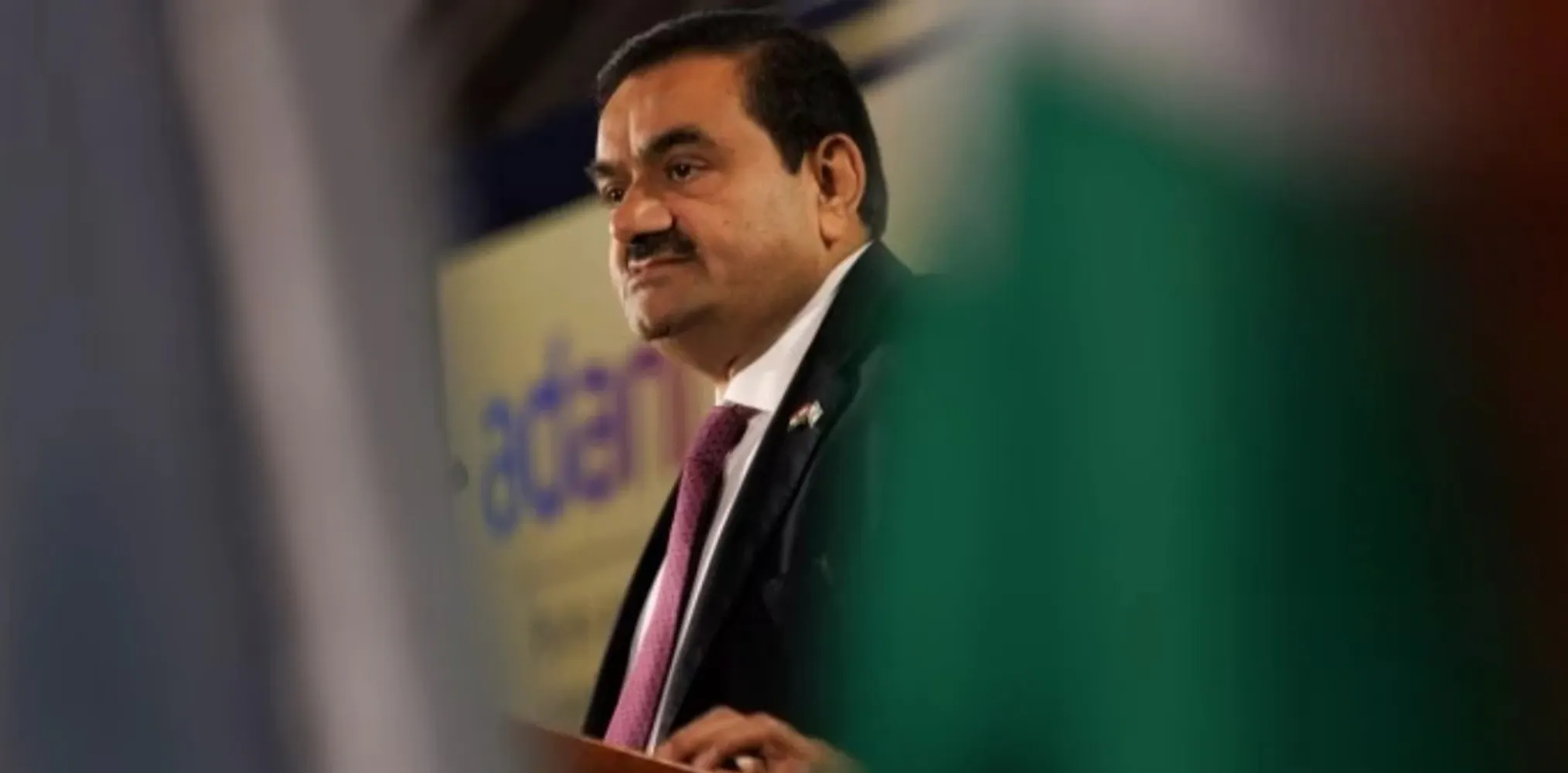
Election Commission data disclosed in 2024 revealed that the InterGlobe Aviation group (which operates IndiGo) was the largest purchaser of electoral bonds in the transportation sector, acquiring a substantial ₹36 crore, primarily in the year preceding the 2024 General Elections.
This financial link has fuelled potent accusations from the opposition, who argue that the government's approach to the airline has been suspiciously lenient. Critics dismiss the recent operational chaos not as an accident, but as an indictment of the BJP-led NDA government's alleged policy of fostering a "duopoly" within the aviation sector.
The opposition contends the crisis is less a natural breakdown and more a "predictable fallout" of an administration purportedly "hell-bent on crushing competition, rewarding favourites, and reshaping an entire national industry to suit a tiny circle of corporate allies."
The entire regulatory response to the IndiGo crisis is tainted by allegations of political patronage, challenging claims of impartial oversight.
This dynamic mirrors historical scapegoating tactics: complex, systemic failures—spanning regulatory oversight, market concentration, and corporate mismanagement—are reduced to the actions of easily identifiable targets, such as the airline's CEO, the aviation minister, or pilots, purely to manage public outrage and political fallout.
The focus on immediate scapegoats in the media suggests a governmental effort to deflect attention from its own failure to ensure a robust and resilient aviation system capable of absorbing regulatory changes. This parallels how Marie Antoinette was blamed for the comprehensive systemic collapse of the French monarchy.