Fingerstick Breakthrough for Hepatitis B
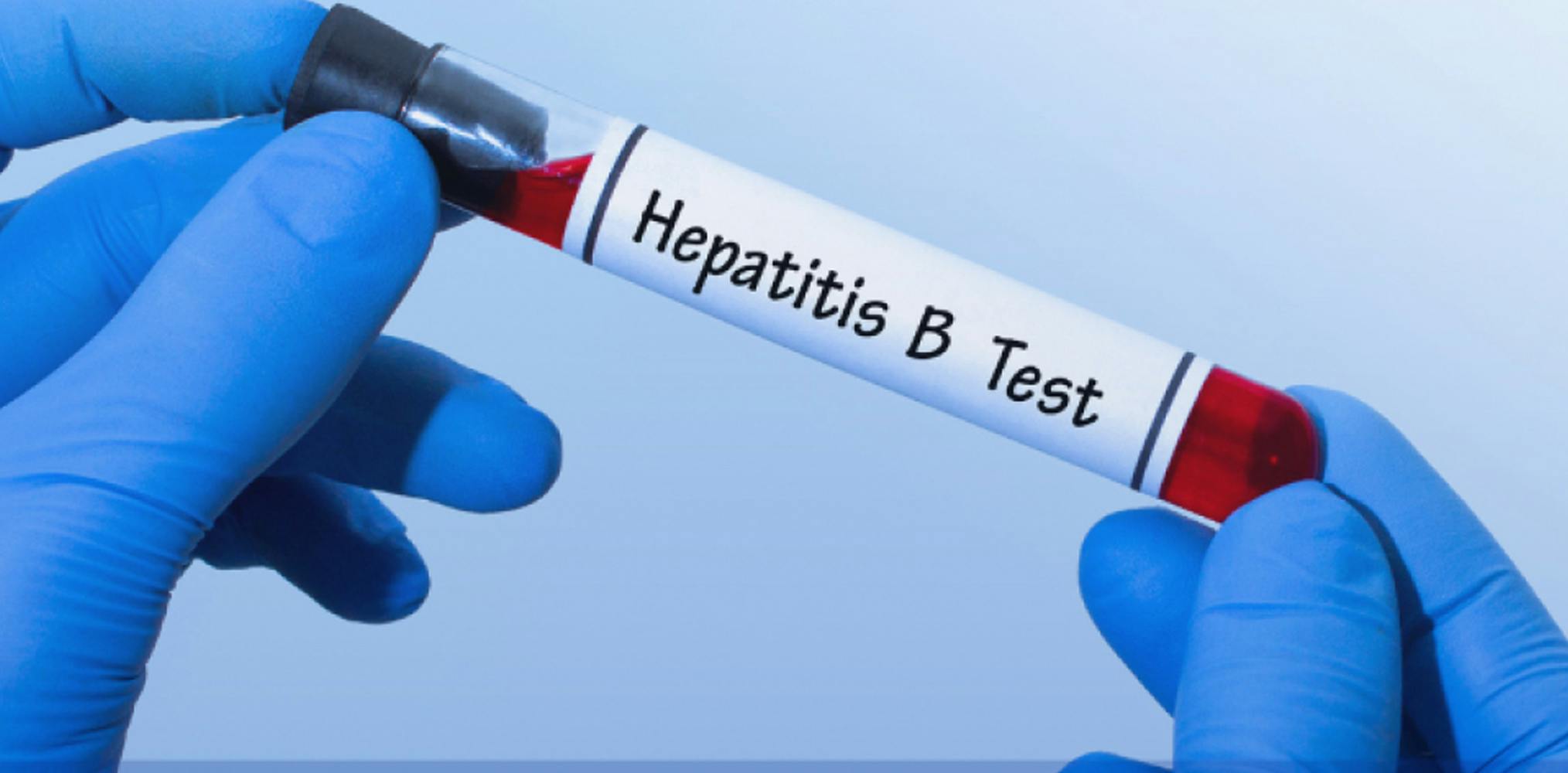
A world-first Australian trial has found that a simple fingerstick test for hepatitis B DNA is as accurate as standard lab testing, paving the way for wider access in remote and resource-limited settings.
Published in the Journal of Clinical Microbiology, the study showed that the point-of-care test can deliver results within an hour and be performed in decentralised clinics, Xinhua news agency reported.
The fingerstick test can help overcome delays caused by laboratory-based testing, according to a statement from the Kirby Institute at the University of New South Wales in Australia.
"The results of our trial found that the fingerstick point-of-care test is highly accurate, closely matching the accuracy of traditional tests," said Professor Gail Matthews, who led the research at the Kirby Institute.
The finding has the potential to "expand access to testing and treatment globally," especially where access to testing is limited, Matthews said.
Hepatitis B, a viral infection that attacks the liver, affects an estimated 254 million people worldwide and causes over 1 million deaths annually, as per global statistics.
Though preventable by vaccine, only about 8 per cent of those living with chronic hepatitis B receive treatment, according to the World Health Organization (WHO).
Currently, hepatitis B DNA testing, for both diagnosis and monitoring, requires collecting a venous blood sample to be processed in centralised laboratories, meaning patients can need to travel long distances to take the test, and then often wait days or weeks for results. This delay and the multiple clinic visits involved can hinder timely treatment and care.
In comparison, the new point-of-care test can be done in small health clinics using a finger stick blood sample, which can be performed by a broader range of health care workers, and provides a result within 60 minutes.
It is an effective alternative to laboratory testing for many infectious diseases, including hepatitis C, but until now, its efficacy for hepatitis B DNA using finger stick blood has been unknown.
The new test could also support global efforts to meet the WHO target of eliminating hepatitis B as a public health threat by 2030, the researchers said.