US Imposes Travel Ban: What You Need to Know

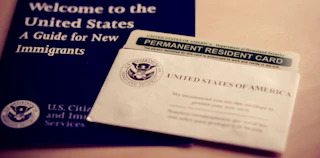
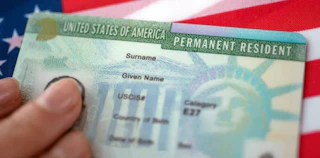
The United States has moved swiftly to tighten border controls after a dangerous Ebola outbreak spread across parts of Africa, triggering fresh concerns for international travelers, including the large Indian and NRI community in America. Under new CDC restrictions, foreign nationals who have recently traveled to the Democratic Republic of the Congo, Uganda, or South Sudan within the last 21 days will not be allowed entry into the US for the next 30 days. While US citizens and Green Card holders are exempt, the development signals how quickly global health emergencies can reshape immigration and travel rules overnight.
For NRIs, especially those working in healthcare, international business, aviation, or humanitarian sectors, the situation is a reminder that travel history is becoming increasingly important in global mobility checks. The trigger behind the restrictions was not just the rising death toll, but also confirmation that an American doctor working in the outbreak region contracted the deadly Bundibugyo strain of Ebola. With the World Health Organization declaring the outbreak a global health emergency, US authorities are now ramping up health screenings and contact tracing measures to prevent any possibility of spread inside the country.
The bigger concern is the nature of the virus itself. Ebola remains one of the world’s deadliest infectious diseases, with severe symptoms including hemorrhagic fever and internal bleeding, and mortality rates reportedly ranging between 25% and 50%. More worrying is the fact that there is currently no dedicated vaccine or targeted treatment for this particular variant. For Indian families living abroad, especially those frequently traveling across continents, the message is clear: global health crises are no longer distant headlines — they can directly impact visas, travel approvals, immigration scrutiny, and daily life within days.