An Alarming Surge in Kidney Stones Among Children
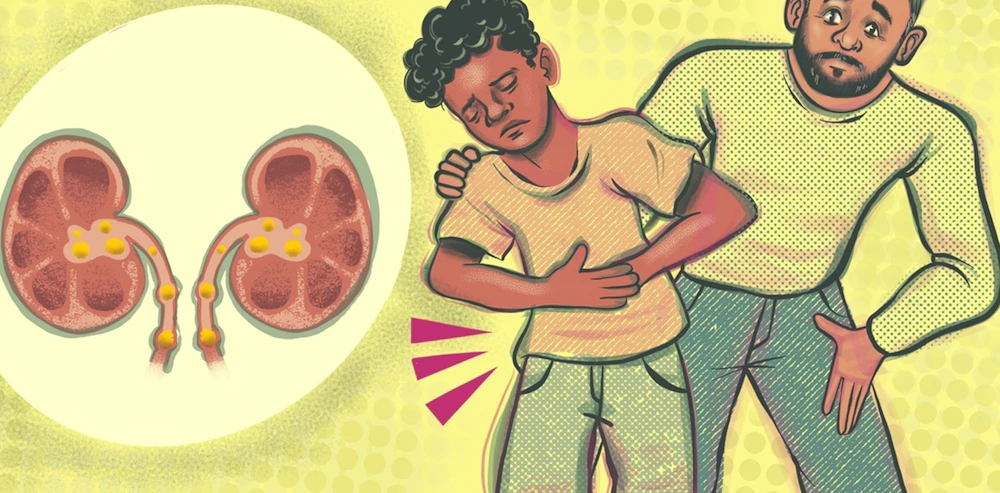
In a troubling trend that has emerged over recent years, pediatric urologists are increasingly diagnosing kidney stones in children, including infants, a condition once predominantly associated with adults. This shift represents a significant departure from earlier decades when bladder stones, primarily linked to malnutrition, were the principal concern in pediatric medicine. Experts in Hyderabad are sounding the alarm, attributing this rise to a combination of factors such as inadequate hydration, high-sodium diets, and a growing prevalence of genetic and metabolic disorders that predispose children to this painful condition.
Dr. Mallikarjuna C, a leading consultant urologist at the Asian Institute of Nephrology and Urology, underscores the urgency of addressing this alarming trend. He notes that the demographic of patients has dramatically shifted, with cases of kidney stones now being diagnosed in children as young as one year old. This emerging health crisis calls for specialized treatment approaches, as the standard procedures may not suffice in younger patients. Extracorporeal Shock Wave Lithotripsy (ESWL), a non-invasive technique, is now considered a primary treatment option for small stones, highlighting the need for tailored medical interventions in a vulnerable population.
Historically, pediatric kidney stones were a rarity, with medical literature focusing on bladder stones resulting from poor nutritional practices. As nutrition in Telangana has improved, the profile of related health issues has evolved, leading to an increased understanding of the multifaceted factors contributing to kidney stone formation. Dr. Kartheek Ganapathri, a consultant urologist at Aster Prime Hospital, points out that the increased visibility of kidney stones in children correlates with lifestyle changes, particularly concerning hydration and dietary habits that have shifted towards more processed foods high in sodium. This dietary evolution is compounded by environmental factors such as heat, which exacerbate dehydration.
Further compounding this issue is the advancement in diagnostic techniques, which have made it easier for healthcare professionals to identify kidney stones in children early on. Dr. Sree Bhushan Raju, head of nephrology at Nizam's Institute of Medical Sciences, remarks on the growing number of cases reported in their rare diseases registry, with even parents from neighboring states seeking advice. This rise in diagnoses is not merely a reflection of increased incidence; rather, it highlights an urgent need for awareness about lifestyle risks and hydration among children, emphasizing the critical role of parents and caregivers in safeguarding their children's health against this painful ailment.