POCSO Case Sparks Political War in Telangana

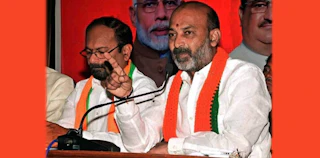
The POCSO case involving Bhageerath, son of Union Minister Bandi Sanjay Kumar, has now evolved beyond a criminal investigation into a fierce political narrative battle in Telangana. At the center of the controversy is one question: was Bhageerath “arrested” by the police, or did he voluntarily “surrender” before authorities? While the legal distinction may appear technical, the political implications are enormous, with both the BJP and Congress attempting to shape public perception around the case.
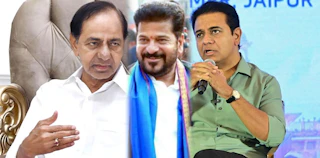
Telangana Chief Minister Revanth Reddy firmly backed the police version, stating that Bhageerath was arrested and not voluntarily surrendered. “I believe what the police said,” the Chief Minister remarked while responding to media queries. He also questioned the BJP’s version of events, stating that if Bandi Sanjay Kumar truly intended to hand over his son for investigation, police could have simply been called to their residence. Revanth Reddy further accused BRS leaders, especially K. T. Rama Rao, of politicising the issue and attempting to settle political scores by dragging children into controversies. The Congress government is trying to project the case as proof that law enforcement is functioning independently and that no political family is above the law.
On the other hand, Bandi Sanjay Kumar has consistently maintained that his son cooperated with investigators and voluntarily surrendered before police accompanied by lawyers. BJP leaders argue that the Congress government is deliberately amplifying the “arrest” narrative to politically target one of the BJP’s strongest Telangana faces. The controversy also exposes the increasingly bitter political atmosphere in the state, where even sensitive criminal cases quickly become ammunition in the larger Congress-BJP-BRS power struggle. For the public, however, the bigger concern remains whether justice will proceed transparently and fairly — without political narratives overshadowing the seriousness of the allegations or the due process of law.